
Last updated: November 2026.
Dubrovnik’s old town is stuffed with restaurants, and a depressing number of them are tourist traps charging a fortune for food that tastes like it came out of a freezer bag. Which is a shame, because Croatian food is seriously underrated, and the city has some genuinely great kitchens if you know where to look.
These are the restaurants in Dubrovnik we keep going back to, from Croatian tapas and a family-run spot that changed how I think about Croatian wine to CroAsian curry and a burger worth leaving the walls for.
This site contains affiliate links to products and services. We may receive a commission for purchases made through these links which help keep us on the road and cost you absolutely nothing.
Table of Contents
Tapas Bar Alamaka
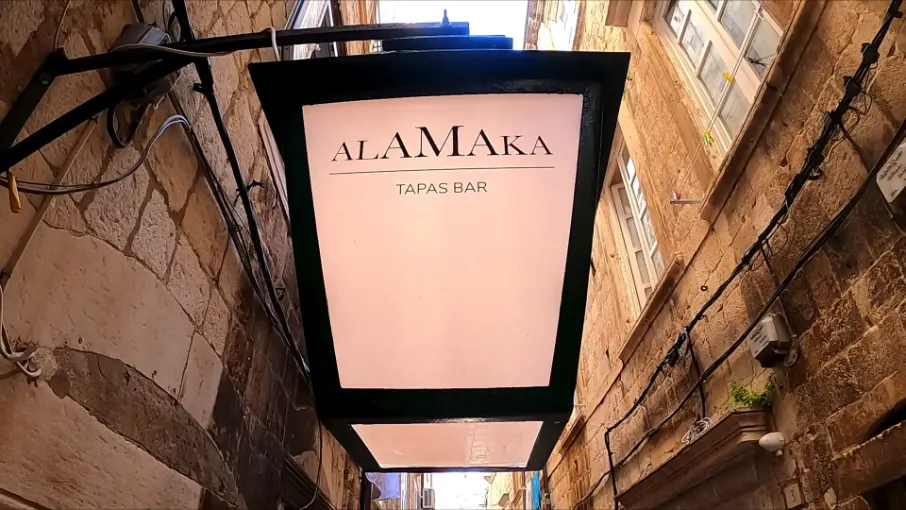
Located in the heart of the old town just off the Stradun (main street). We stumbled upon Alamaka looking for something specifically Croatian and not too touristy. Man did we hit the jackpot! As the name implies, they specialize in Croatian tapas and all Croatian ingredients.
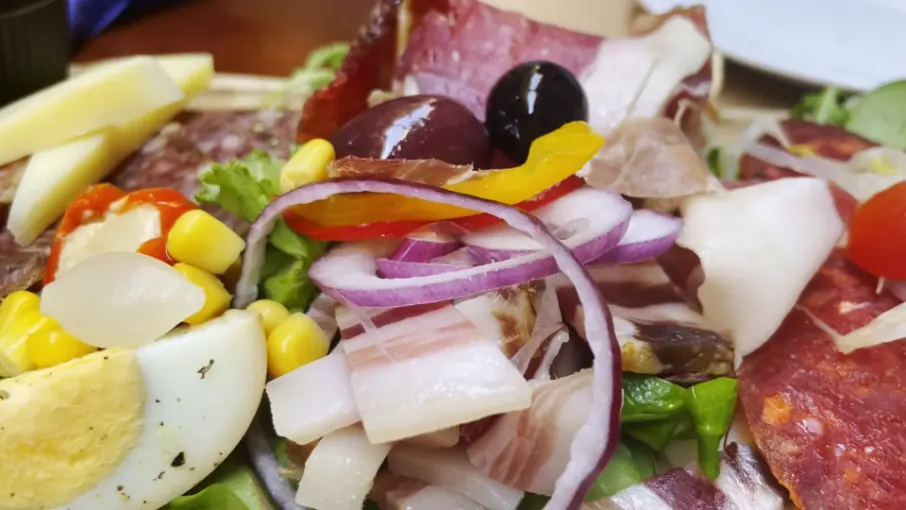
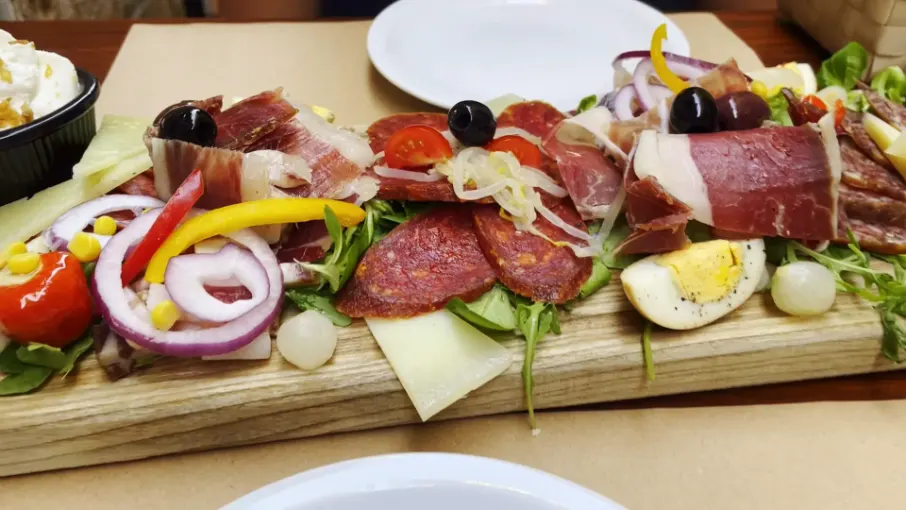
We ordered the tapas platter: goat and aged sheep’s milk cheeses, homemade pancetta, two and three-year-old pršut, homemade Slavonian sausage from the north of the country, marinated eggs, cheese-stuffed peppers, olives and pickled veg. Angela and I have eaten our way through Italy and Spain, and Croatian cured meats can go toe to toe with any prosciutto or jamón. The Slavonian sausage was Angela’s favourite, as you can see from her face. I just look stupid, but here we are.
Wash it all down with Croatian red. Before our first trip I was told over and over how bad it was. Either everyone was wrong or Croatia has upped its game by miles, because it’s seriously good. Then do as the Croatians do and finish with a rakija. Angela went for viljamovka, a pear brandy, and I had šljivovica, a plum brandy. Fair warning, it’ll burn your tonsils off, but you hardly notice after a bottle of wine.
Price: Expect to pay €20–€35 ($22–$38) per person.
Bura Bistro
Tucked into a corner of Bunićeva poljana behind the cathedral, Bura Bistro came highly recommended and absolutely delivered. We only ordered two starters, and they were good enough that we’re itching to get back for the rest of the menu, which changes with the seasons.
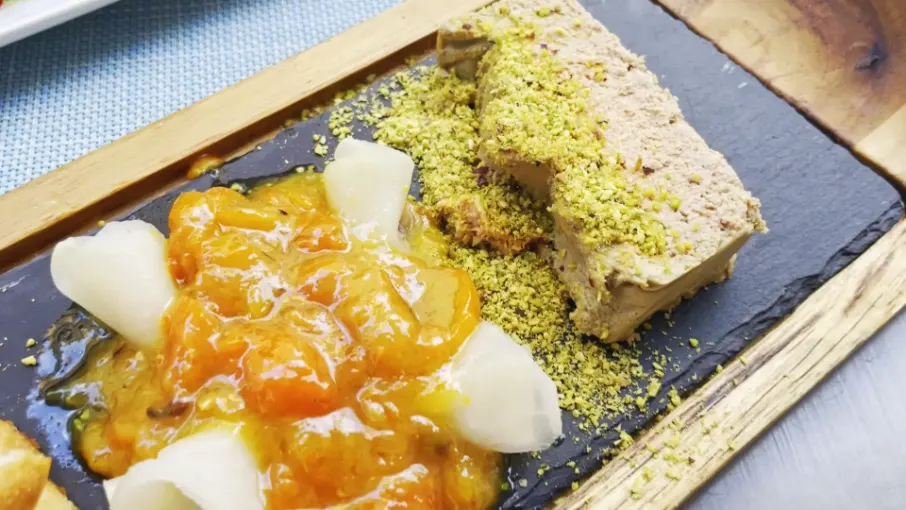
First up, a chicken liver parfait with shaved pistachios, kumquat chutney and pickled beetroot. Before we left Canada, if you’d asked me whether I’d eat liver of any kind, the answer was hell no. I was traumatized as a kid after being forced to eat beef liver. Since we started travelling full-time I’ve eaten liver in a bunch of countries and loved it, and this one was rich and fatty, with the tart chutney and the beetroot cutting right through it.
The other plate was a swordfish and shrimp ceviche marinated in pesto oil and bursting with basil. Pesto and citrus-cured seafood shouldn’t work this well together, but it does.
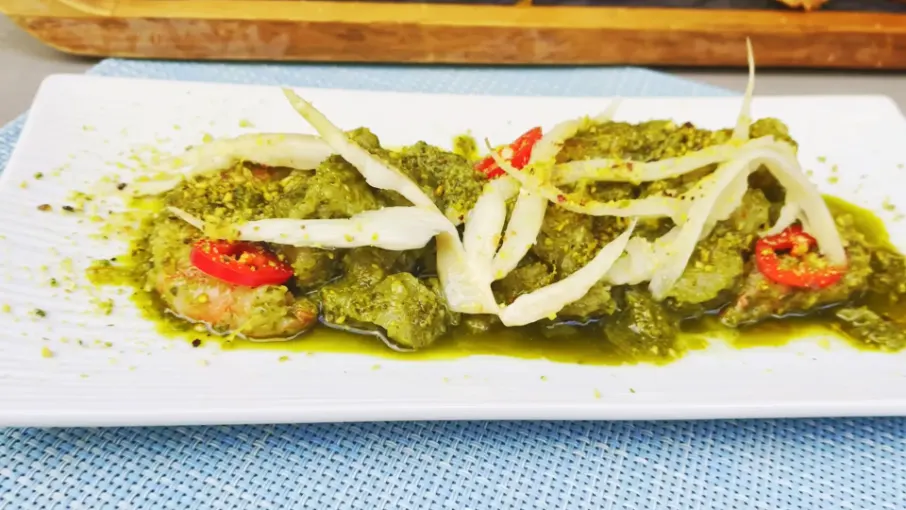
Price: Typical meal prices generally range from €20 to €40 ($22 to $44) per person. Can easily grow to €50 to €90 ($55 to $99) with wine and/or multiple courses.
Where to Stay in Dubrovnik Old Town
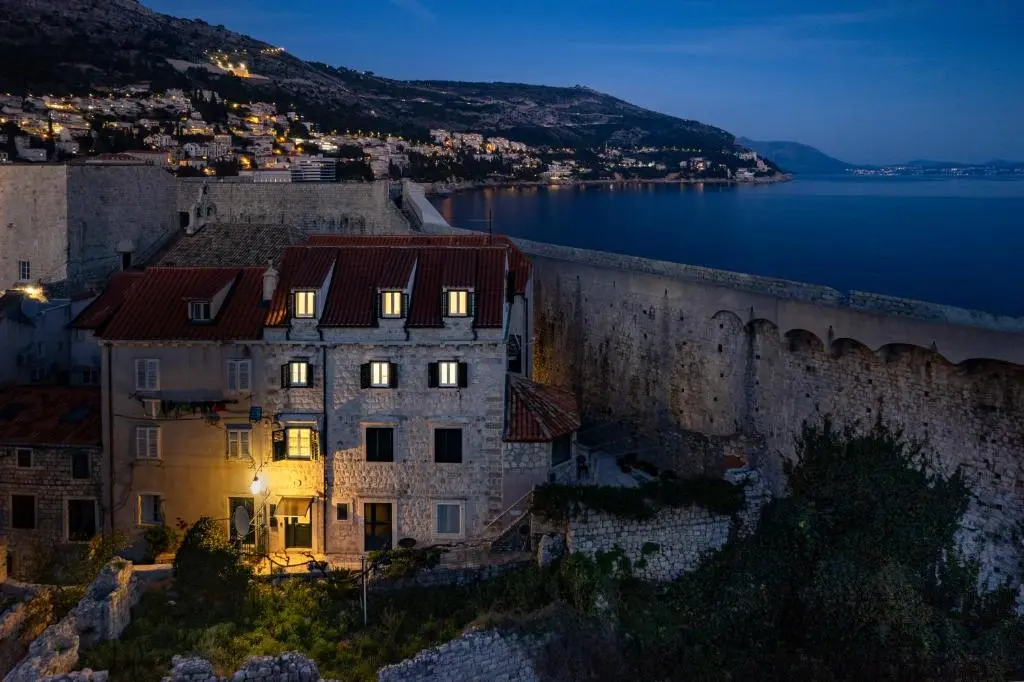
Luxury Accommodations: – Stayeva 11 – A family-run guesthouse with breakfast included, on the quiet side of the old town by the Cathedral and St. John’s Fortress. Bura Bistro is basically around the corner, so dinner is a short stumble home.
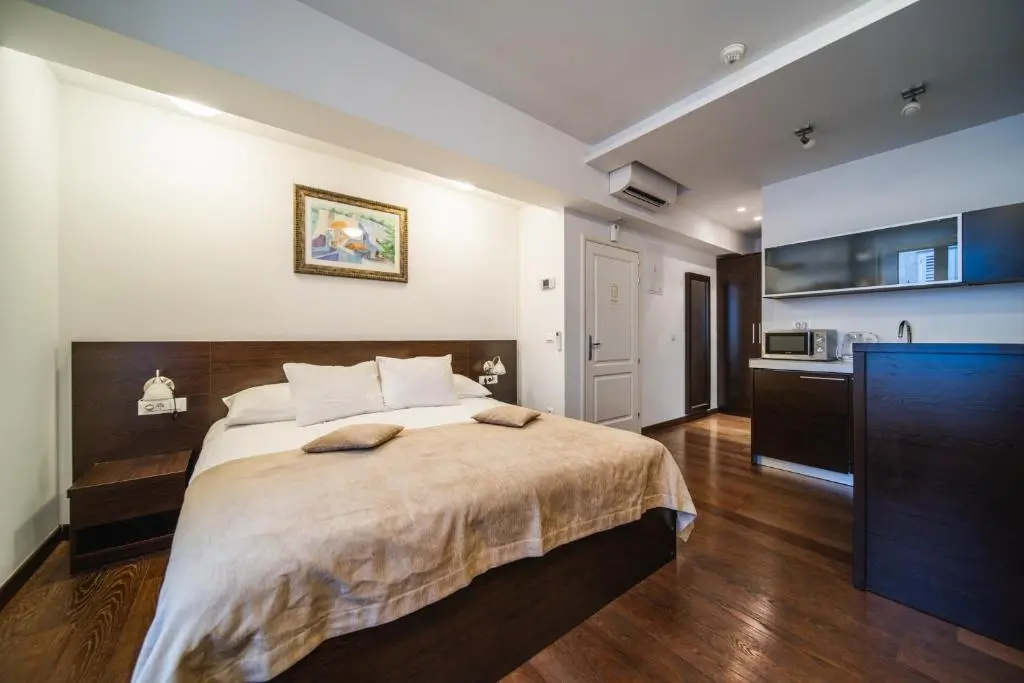
Mid-Range Accommodations: – Celenga Apartments – Stone-house apartments near Pile Gate with the original arches still in place. You get a kitchen for breakfasts and lazy nights in, and Alamaka is a short walk away when you can’t be bothered to cook.
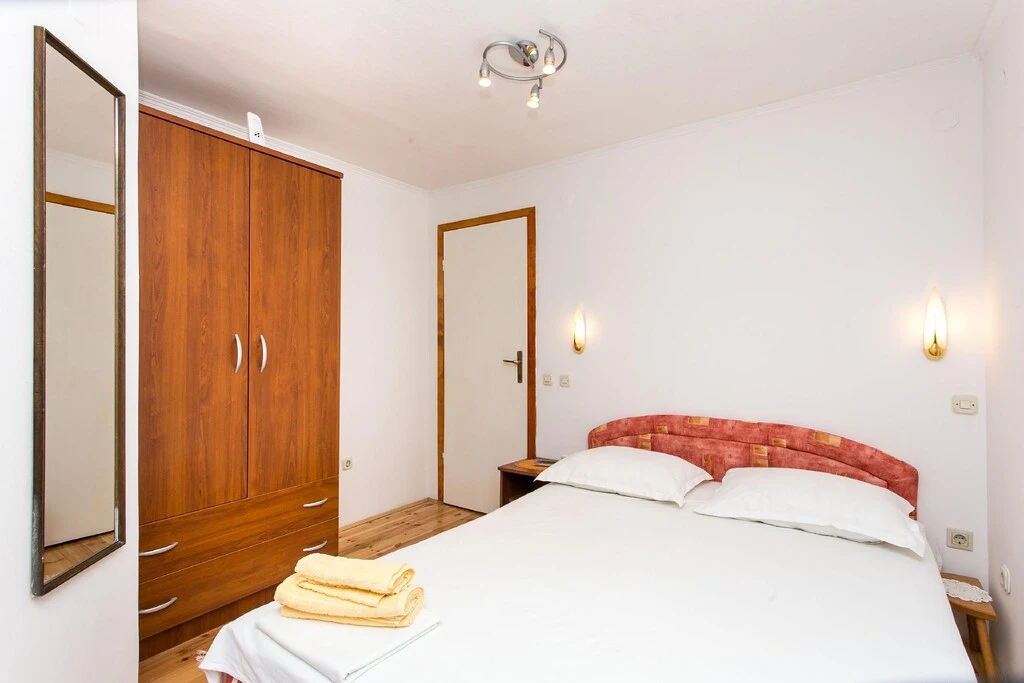
Budget Accommodations: – Rooms Fausta – Two simple double rooms run by Fausta and her family on Dropčeva, the same little street as Alamaka. Save money on the room and spend it on the tapas platter instead.
Looking for other great places to stay in Dubrovnik? Use the search bar below to find more options
Related Reading: Eat Like a Local in Split, Croatia
Kopun
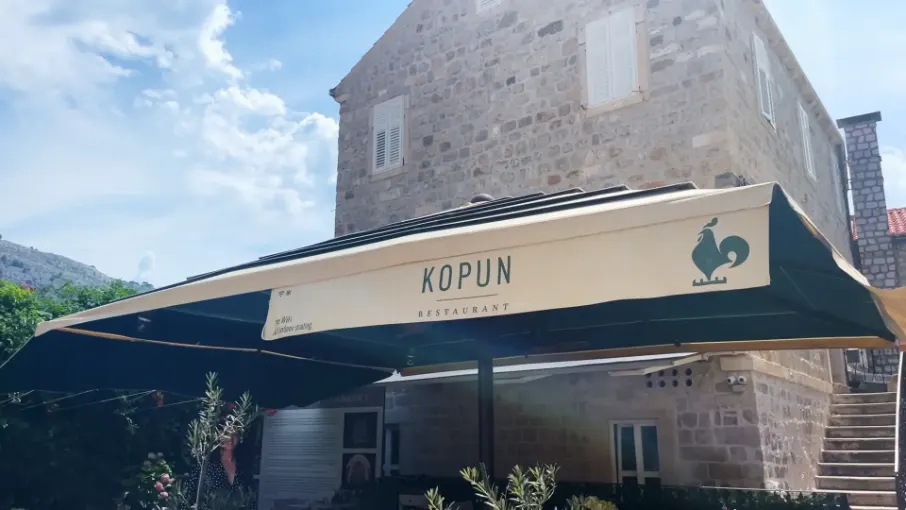
Kopun sits on a quiet square opposite the Jesuit church, right at the top of the staircase where Cersei started her walk of shame. It’s also where we had the best dinner of our lives.
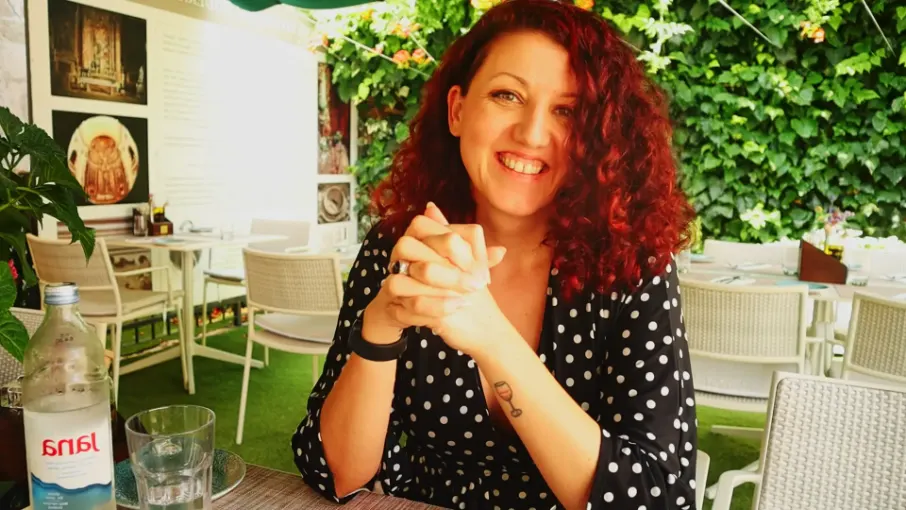
It was 2019 and our first night in Croatia, and the place was packed even in shoulder season. Ana came over to talk us through the menu, and when I mentioned everything I’d heard about bad Croatian red wine, her eyes lit up. Turns out she’s a trained sommelier who teaches wine courses. Glass after glass came out as she zeroed in on what we liked, and by the time we’d settled on a bottle, we’d figured out she wasn’t just the sommelier. It’s her family’s restaurant, and the owner of a packed restaurant had just spent ages with a couple of dorky tourists she could easily have left to a server.
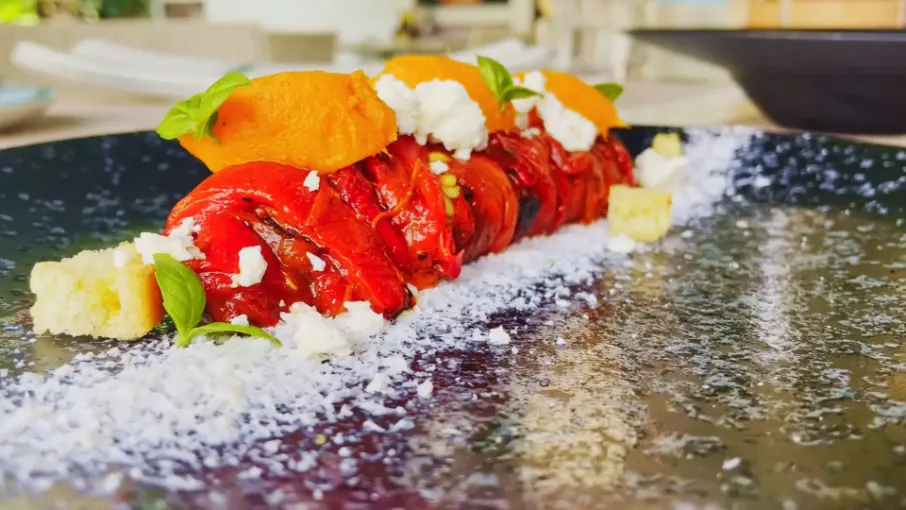
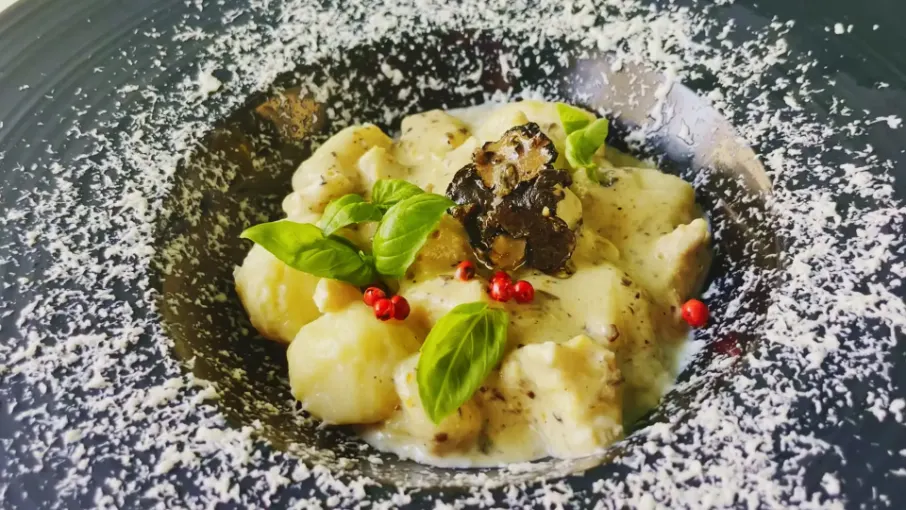
When we came back to film for our YouTube channel, she remembered us. She started us off with a cold summer dish of baked, marinated peppers with sweet potato cream and salty cheese, then a capon ragu with truffles and homemade cheese-filled gnocchi. Kopun is the local word for capon, a castrated rooster, which sounds grim but gives you the richest, fattiest chicken you’ll ever eat.
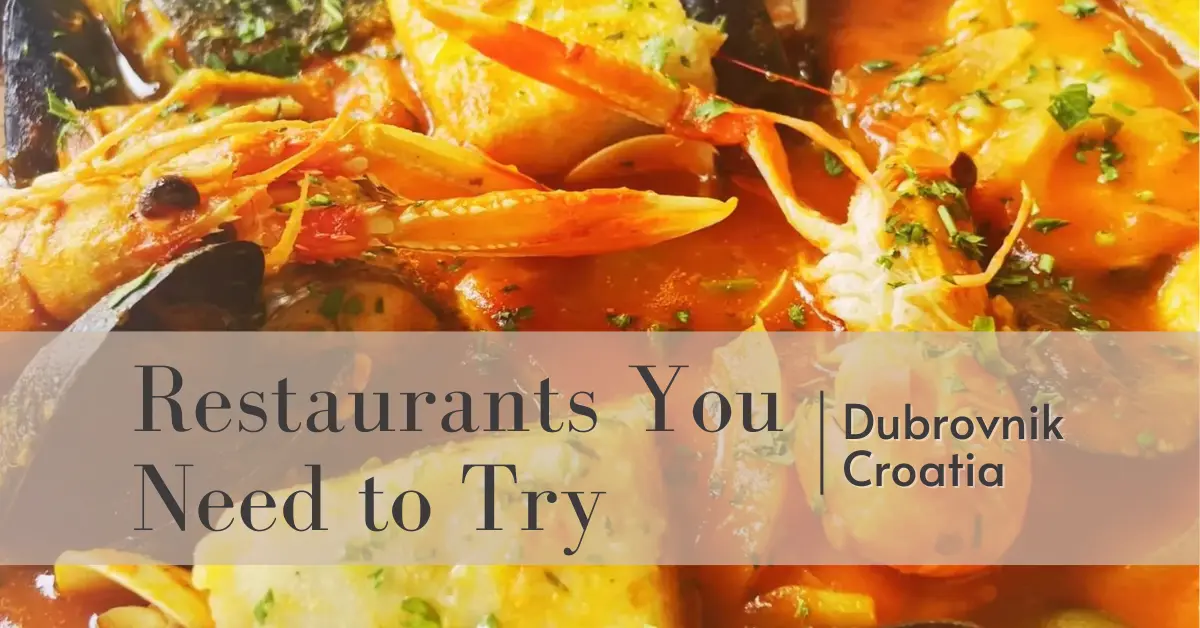
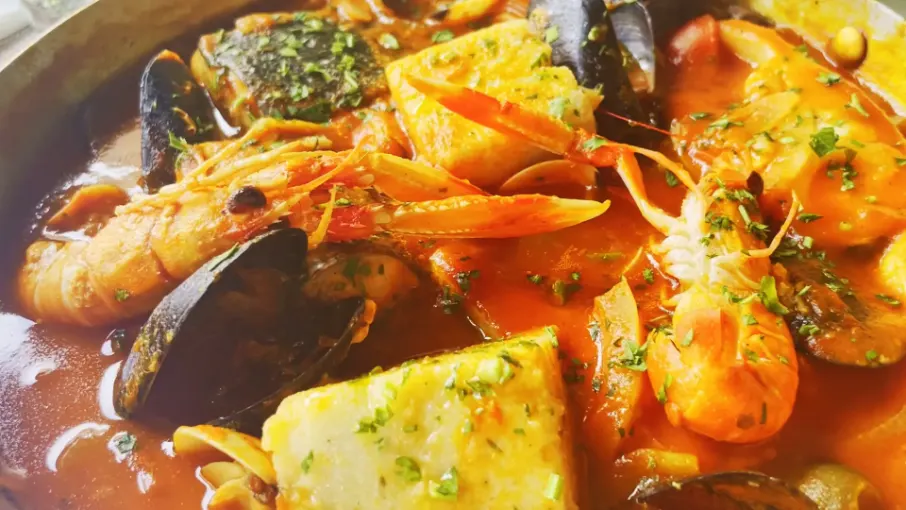
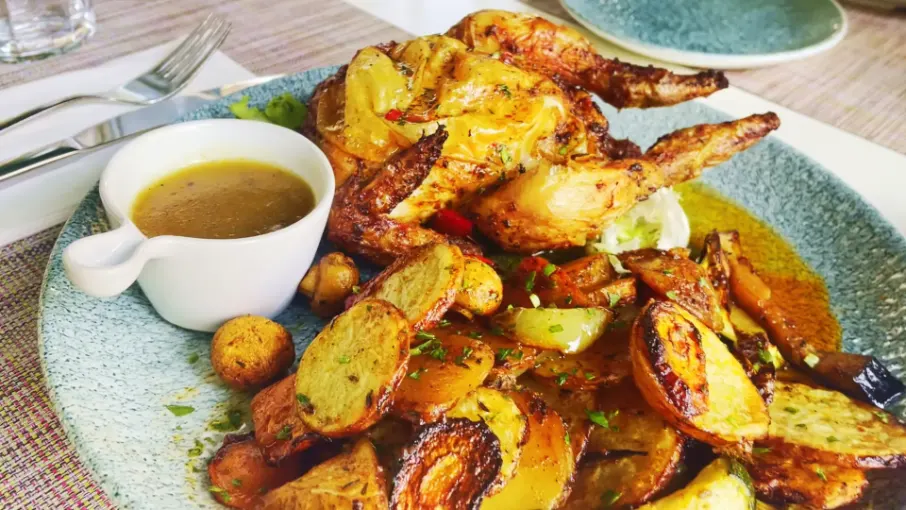
Mains were a brudet, a fish and shellfish stew in tomato and white wine finished with polenta, and a roast cockerel with pan-fried potatoes, zucchini, mushrooms and peppers soaked in its own drippings.
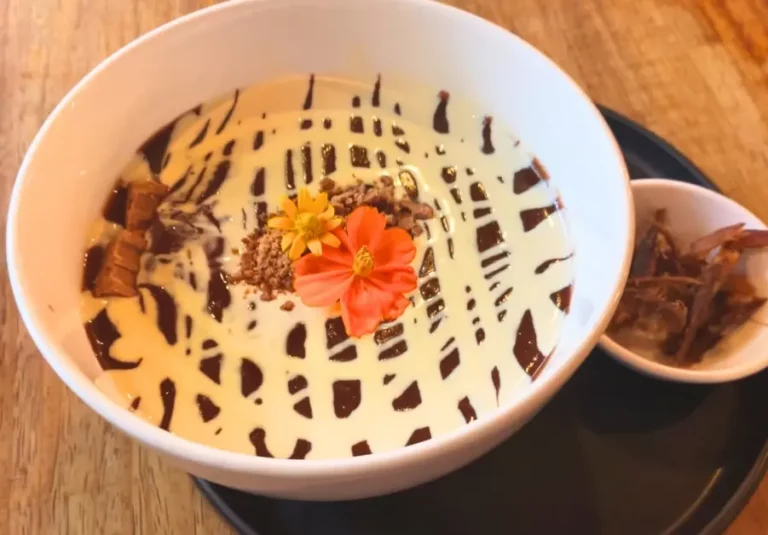
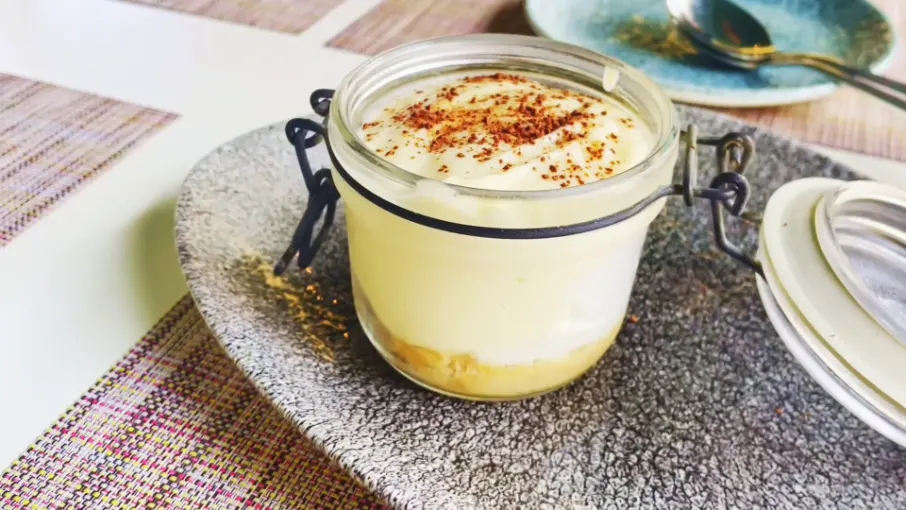
Dessert was paradiso, an old Dubrovnik home dessert of whipped eggs, ladyfingers and bitter orange.
Ana paired a wine with every course, and after converting me to Croatian red, she did it again with the whites. We’re biased, but if you only eat one big meal in Dubrovnik, make it this one. And say hi to Ana.
Price: €25–€40 ($27–$44) on average with 3 course set meals between €34–€38 ($37–$42).
Azur
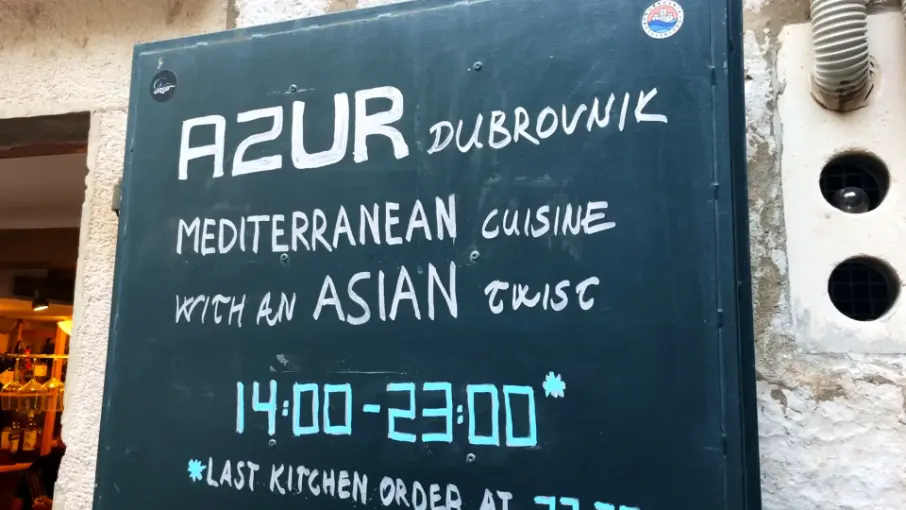
Down a quiet lane along the seaward walls, near one of the Buža bars, you’ll find Azur. Chef Vedran Perojević opened the first Azur in Zhuhai, China, of all places, before bringing it home to Dubrovnik, and what he cooks here he calls “CroAsian”: Mediterranean food with an Asian twist. The Michelin Guide has given it a nod, and it’s earned it.
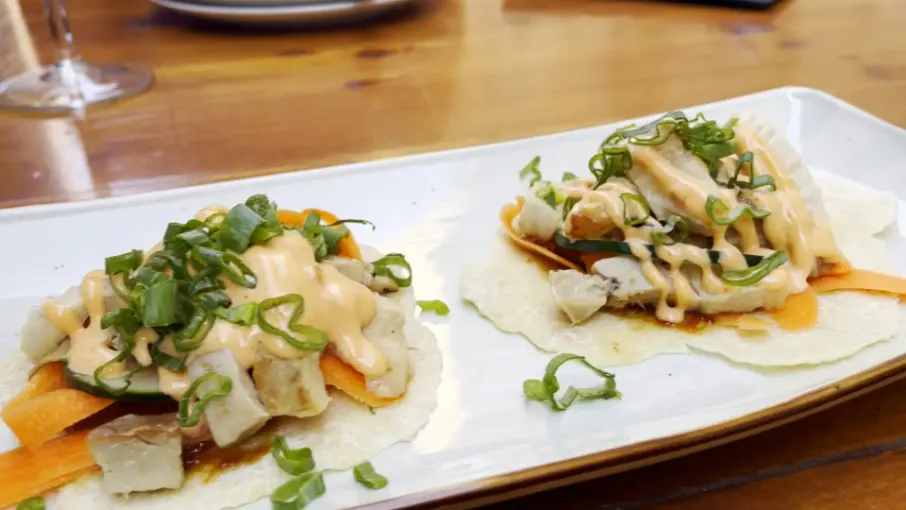
We kicked off with pork belly tacos: fresh tortillas stuffed with crispy, fatty pork belly, veg and chillies, topped with sriracha mayo. I could eat a dozen. Angela had a CroAsian laksa with local mussels, squid and shrimp in a rich, creamy coconut broth with flat noodles.
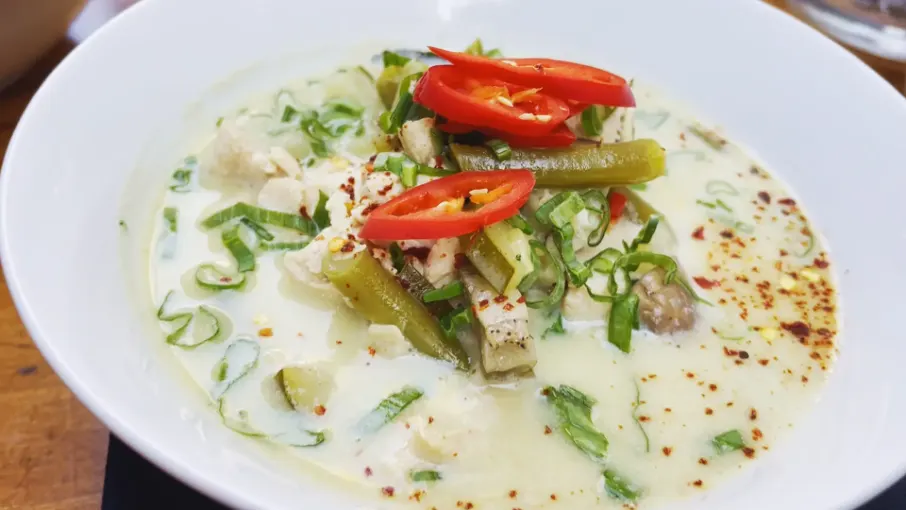
I went for a Thai green chicken curry because I was desperate for something spicy, and spicy food is basically nonexistent in Croatia. When I said I like it VERY spicy, they looked a little worried and brought a side of extra-hot curry broth so I could crank it up myself. Once I did, it was one of the best green curries I’ve ever had.
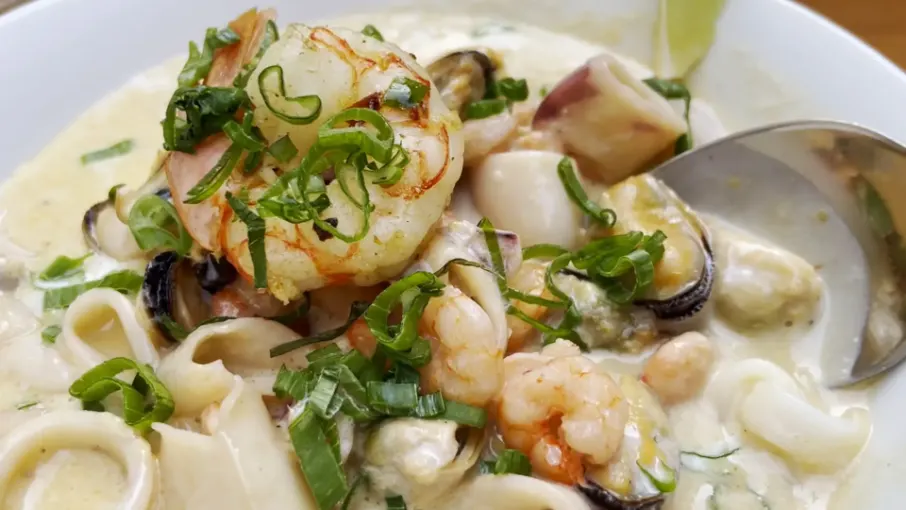
Price: Dishes typically range from €7 to €22 ($8 to $24), with a full dinner generally costing around €35 to €55 ($38 to $60) per person including wine.
Wondering What to Do in Dubrovnik? Have a Look at Some of These Tours From Viator:
You Might Also Like: Lokrum Island: Ferry, Tickets & Things to Do
Jack’s Food & Beer
Update (November 2026): When we ate here it was Cezar Street Food. It now runs as Jack’s Food & Beer under the same owner and in the same location.
Jack’s Food & Beer isn’t in the old town, it’s a five-minute drive out, but if you’re craving a proper cheeseburger, it’s worth the trip. It sits on a hill above a little forest with views out to the Adriatic, and we’d been told it did the best burgers in Dubrovnik. It didn’t disappoint.
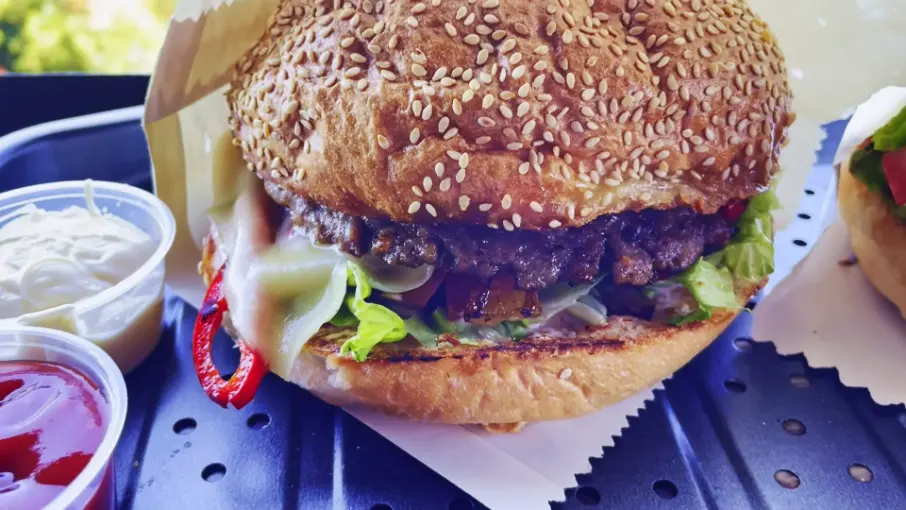
We had the El Matador, stacked with beef patties, cheese, peppers and jalapeños plus three different sauces, and a kajmak burger, with kajmak (a salty, clotted-cream-style cheese) stuffed right inside the patty. Bite into it and a hit of salty, cheesy goodness floods your mouth. If you’re in Dubrovnik and just need a damn good burger, this is the place.
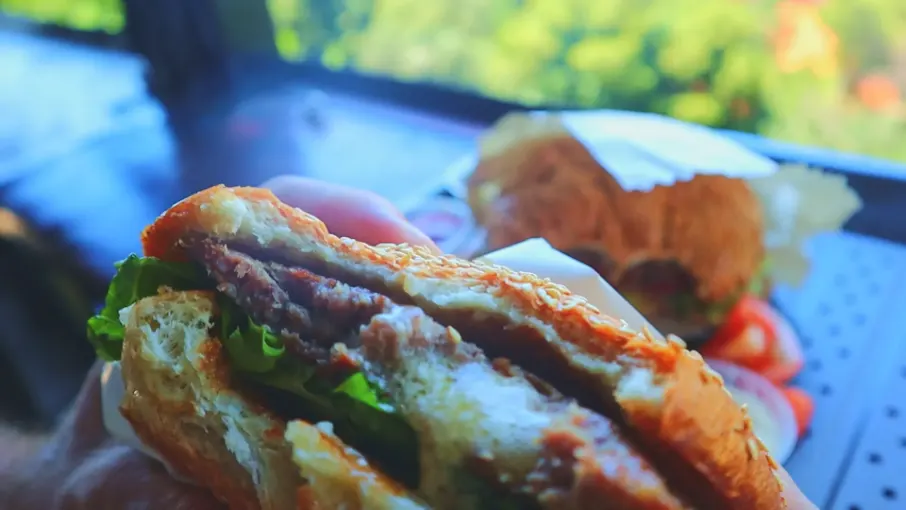
Price: Burgers will run between €10–€15 ($11–$16) and beers between €3.50 to €6.50 ($4 to $7)
If you would like to help support Pure Detour you can do so at: Buy Me A Coffee
Final Thoughts
Finding good food in Dubrovnik takes a bit of work, especially inside the walls, but it’s out there. Start with a tapas platter at Alamaka, save one big night for Kopun, and when you’ve had your fill of the old town, there’s a whole Dalmatian coast of great food waiting up the road.
Have you eaten in Dubrovnik? Did we leave your favourite off the list? Leave a comment and help other travellers find the good stuff.
FAQ
What is šporki makaruli?
Dubrovnik’s signature pasta: tubes of makaruli in a slow-cooked beef sauce spiced with cinnamon and cloves. The name means “dirty macaroni”, because back in the days of the Republic the nobles ate the meat and the servants got the pasta smeared with whatever sauce was left.
It’s traditionally cooked for the Feast of St. Blaise in early February, when restaurants all over town put it on the menu.
What wine is Dubrovnik known for?
Malvasija Dubrovačka, a white grown in the Konavle valley just south of the city. The city archives show locals drinking it as far back as 1383, but by the 1990s there were barely half a dozen vines left before local winemakers brought it back from the brink.
It’s fresh and fruity with a hint of orange blossom. Ask for it by name.
Does Dubrovnik have a Michelin-starred restaurant?
Yes, one. Restaurant 360 sits on the city walls above the old harbour, and chef Marijo Curić’s tasting menus have held a Michelin star for years.
It’s a serious splurge and books up well ahead in summer, so reserve early if you want a terrace table.
Where do locals buy food in Dubrovnik?
Gruž market, by the ferry port, where locals buy fish straight off the boats along with fruit, veg and meat. Get there early, because by mid-morning the best fish is gone.
Inside the walls, the morning market on Gundulić Square sells fresh produce alongside dried figs, lavender and other local products. Go before 1pm, when the produce stalls pack up.
What is peka?
Meat or octopus slow-cooked with potatoes under a domed iron lid buried in hot embers, and one of the best things you’ll eat anywhere in Dalmatia.
It takes hours to cook, so most places need you to order it a day in advance. If you see it on a menu with no warning, ask how long it’ll take.
What desserts should you try in Dubrovnik?
Rožata is the big one, Dubrovnik’s take on crème caramel, traditionally flavoured with rose liqueur. It’s even on Croatia’s list of protected cultural heritage.
For something sweet to take home, look for arancini, candied strips of bitter orange peel, and kotonjata, a firm quince jelly that old Dubrovnik households made for the holidays.